“Our profession has never been defined by classifications, but by the lives we touch."
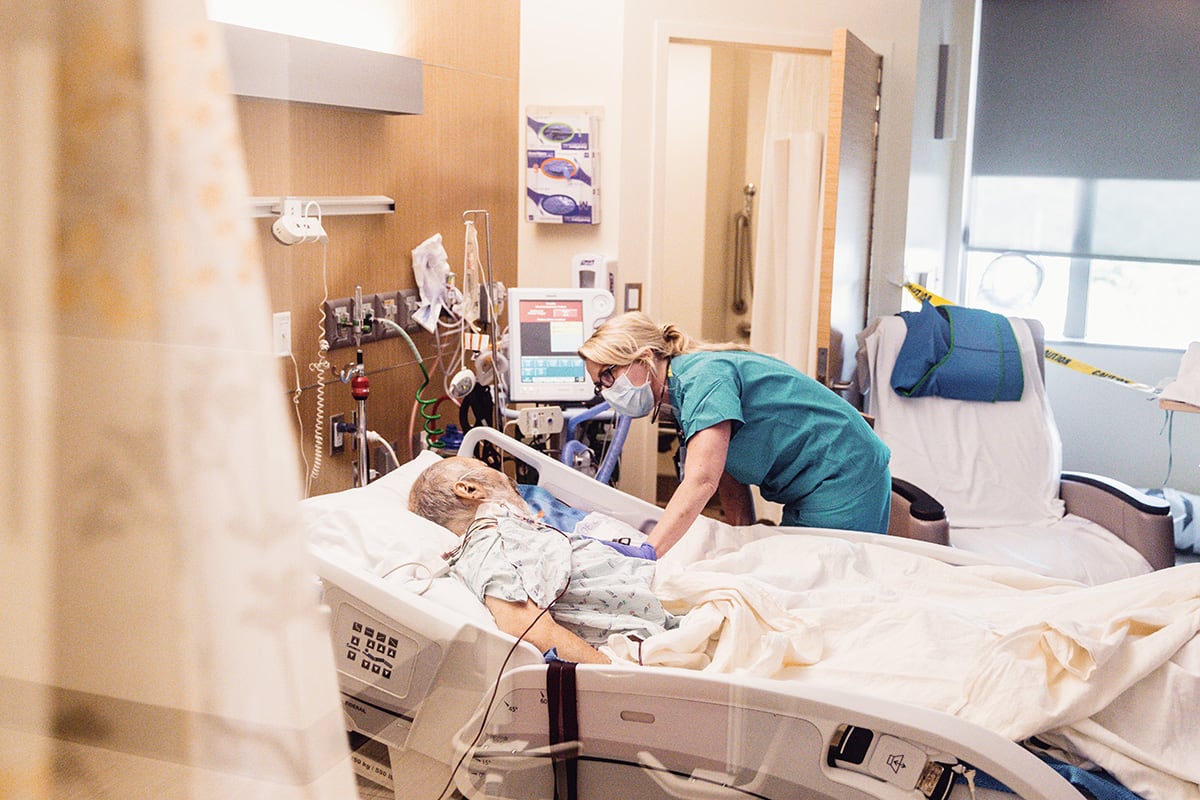
Recent changes in policy at the U.S. Department of Education have the potential to affect millions of aspiring nurses and nursing students' ability to further their education. Providence Swedish nursing leader Pat Patton offers insight into the changes and how nursing leaders are responding.
Recent changes at the U.S. Department of Education (DOE) have redefined which academic programs qualify as recognized degrees for federal financial aid, creating new challenges and opportunities for nursing education nationwide. These rules — intended to improve program quality and accountability — arrive at a critical moment for both the national and Washington State nursing workforce.
This regulatory change excludes nursing graduate degrees from the list of "professional degrees" for federal student loan purposes. This decision has led to lower borrowing caps for nursing students pursuing advanced degrees, compared to those in medicine, law, and other fields.
Nationally, the United States has approximately 4.7 million licensed registered nurses, yet the country still faces an annual demand of around 193,000 RN openings through 2032 due to retirements, burnout, and the increasing need for healthcare services. At the same time, nursing education remains a major financial undertaking, with the cost of a Bachelor of Science in Nursing ranging from $40,000 to more than $100,000 depending on the school.
Costs weigh heavily on students. Tuition varies widely; a Bachelor of Science in Nursing at one Seattle-area university costs $4,469 per quarter for residents and $14,880 for non-residents, while accelerated or fee-based programs can exceed $13,000 per quarter. Federal projections list Washington State among the top ten states expected to experience the most severe nursing shortages by 2035, with an anticipated 26% gap in our nursing workforce.
As the DOE loan changes take effect, Washington’s nursing programs, regulators, and healthcare systems will need to work collaboratively to ensure students maintain access to affordable, high-quality training — especially at a time when the state’s healthcare infrastructure depends more than ever on a strong, stable nursing workforce.
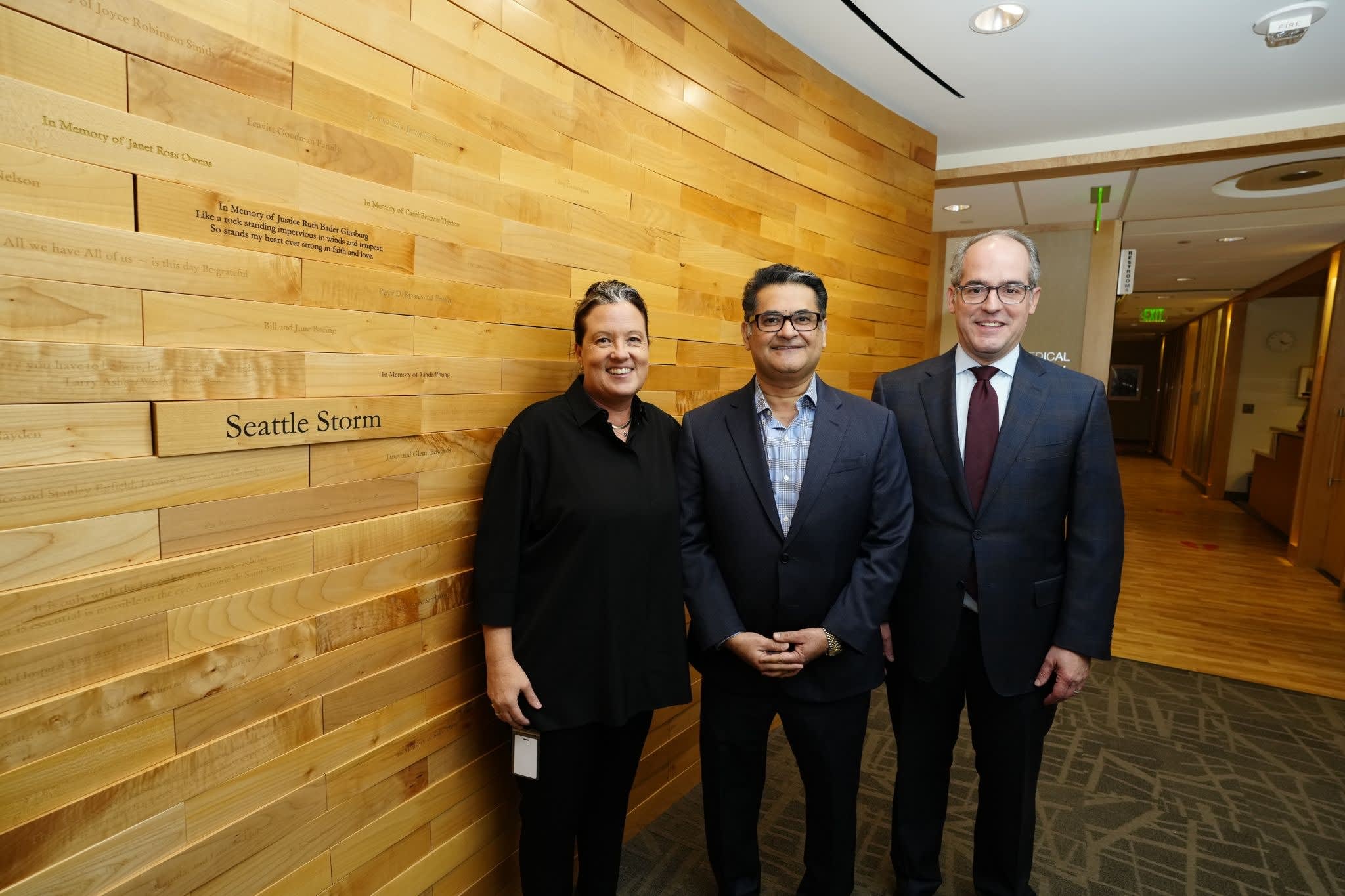
To learn more about these changes we spoke with Pat Patton, DNP, MSN, RN, NEA-BC,
chief nursing officer, Central Puget Sound, Providence Swedish .
“The practical impact of this change is clear: aspiring nurse practitioners, clinical nurse specialists, nurse anesthetists, and nurse educators may find it harder to finance their education,” says Patton. “This change comes at a time when the nation faces a historic nurse shortage and rising demands for advanced practice nurses.”
The profession of nursing is more than a degree
“Nursing is a profession. It is a calling rooted in compassion, expertise, and a commitment to patient care. Nurses are the backbone of the health care system, providing care in hospitals, clinics, schools, research labs, and communities. Advanced practice nurses diagnose, treat, prescribe, and lead teams. Nurse educators shape the next generation. Our work demands rigorous education, clinical skills, ethical judgment, and lifelong learning,” Patton affirms.
“The exclusion of nursing from the professional degree list for loan purposes does not diminish the reality of our profession or the excellence of the care we provide every day at Providence Swedish. This change is a policy decision. It is in no way a reflection of our—or any— nurses’ worth, expertise, or the trust our patients and society put in the nursing profession.”
Many professional associations have spoken out in defense of advanced nursing degrees and called for the loan decision to be reversed. These groups warn that this change could restrict access to graduate education for nurses, worsen the shortage of advanced practice nurses and nurse educators, and jeopardize patient care. These consequences will be especially felt in underserved communities, where our nurses are the backbone of our commitment to providing the best care to every single patient we serve.
Our commitment and call to action
Nursing is — and will always be — a profession defined by expertise, leadership, and service.
We will continue to advocate for recognition and support at all levels of government and policy; mentor and encourage aspiring nurses to pursue advanced education and leadership roles; and continue our work with care and expertise in every community we serve and in every life we touch.
“There are ongoing efforts to challenge and revise the policy, and the nursing profession has weathered many storms. Through it all we have continued to lead, innovate and provide the highest levels of essential care to every single patient who walks through our doors,” says Patton. “Our profession has never been defined by classifications, but by the lives we touch, the expertise we bring, and the trust we earn every day at Providence Swedish and in hospitals across the country. We are committed to ensuring that nursing remains a respected, empowered, and essential pillar of health care.”
About Providence Swedish
Providence Swedish has served the Puget Sound region since the first Providence hospital opened in Seattle in 1877 and the first Swedish hospital opened in 1910. The two organizations affiliated in 2012 and today comprise the largest health care delivery system in Western Washington, with 24,000 caregivers, eight hospitals and 244 clinics throughout Western Washington – from Everett to Centralia. A not-for-profit family of organizations, Providence Swedish provides more than $545 million in community benefit in the Puget Sound region each year. The health system offers a comprehensive range of services and specialty and subspecialty care in a number of clinical areas, including cancer, cardiovascular health, neurosciences, orthopedics, digestive health and women’s and children’s care. For more information, visit providence.org/swedish.