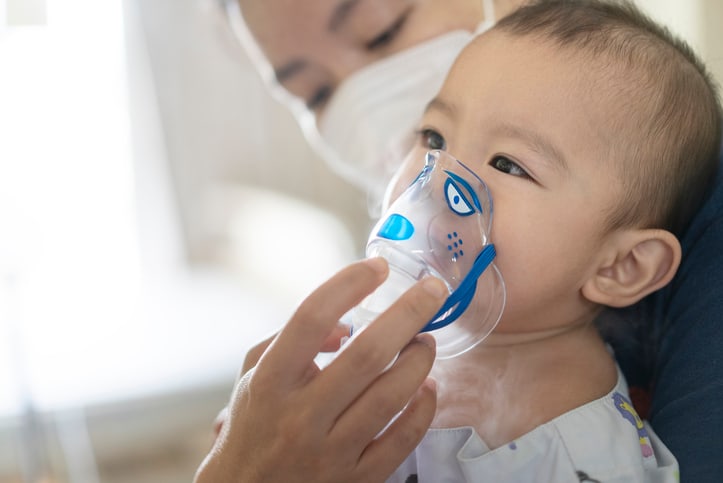
Whooping cough cases are on the rise in areas across the country. Here’s what to know.

[4 min read]
In this article:
- There have been more than 28,500 cases of whooping cough, or pertussis, reported nationally, with record-setting spikes in regions thoughout the country.
- Washington State health officials have reported a total of 2,049 cases so far in 2025, compared to 1,927 cases reported at the same time in 2024.
- Whooping cough is particularly dangerous for infants, newborns and those with pre-existing conditions such as asthma. Vaccination is the best way to protect yourself and your family, so make sure everyone's immunizations are current.
According to the U.S. Centers for Disease Control and Prevention (CDC), cases of whooping cough, also known as pertussis, are climbing to pre-pandemic levels. Social distancing and other pandemic precautions suppressed levels of the illness, which is now seeing a significant post-pandemic bounce supported by the decline in childhood vaccinations.
Whooping cough is spreading
The CDC reports a downward overall trend from whooping cough's overall peak in 2024, but the number of recorded cases still surpasses pre-pandemic levels. According to the BMJ (formerly known as the British Medical Journal) U.S. numbers in 2024 were more than a fivefold increase over 2023 and U.S. cases exceeded those statistics in the first six months of 2025 alone, with 6,600 recorded cases.
In 2024, the CDC reported an expectation of more than 10,000 cases of whooping cough for the year. But experts cautioned that the data might not reflect actual numbers because many people don’t even realize they have whooping cough when they are ill, and so never seek care or get tested. Declining immunization rates are also boosting whooping cough rates. Washington, Oregon, California and Idaho are among the states seeing significant outbreaks of the illness. On Dec. 10, Oregon health officials reported that 2025's number of 1,475 cases of whooping cough had broken the standing record of 1,420 cases set in 1950.
With holiday travel and gatherings, cold and flu season upon us and COVID surging in parts of the country, pertussis is especially concerning, since it can result in significant illness and death for children younger than one year old. The illness can also pose a significant threat for seniors and those with pre-existing conditions.
So, what do you need to know about whooping cough?
What is whooping cough?
Whooping cough is also known as Pertussis and is caused by a bacterial infection with Bordetella pertussis. It gets its name from the characteristic “gasp” or “whoop” that happens during a coughing fit as someone tries to catch a breath between coughs.
What are its symptoms and how can I tell if it’s not bronchitis or another respiratory illness?
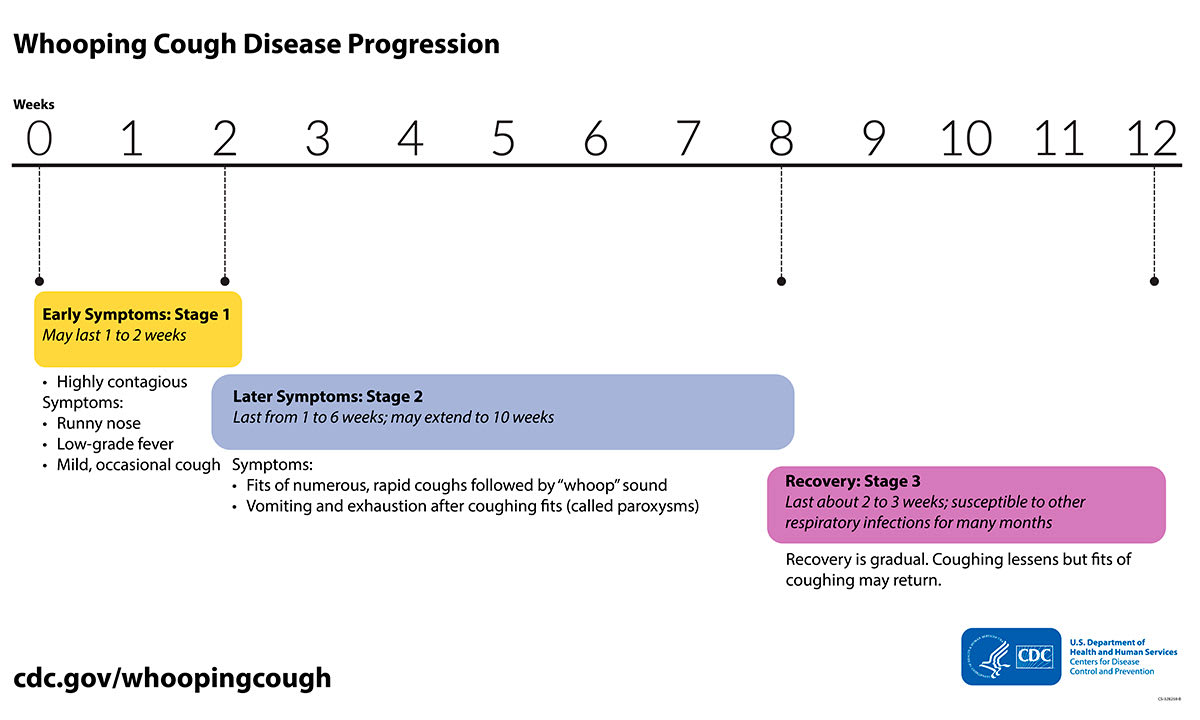
In the beginning of the illness, whooping cough can look very much like the common cold with a runny nose, congestion, low grade fever and mild cough. While colds tend to improve in a week or so, the cough from whopping cough will worsen and may eventually come in severe fits. This cough can last many weeks, if not months. The cough may be severe enough to illicit the characteristic whoop when a person breaths in quickly between the coughs. Some people may vomit from coughing so much or even break a rib.
Why are we seeing this uptick?
Upticks in pertussis are not unusual and tend to happen every few years on a cycle. The germ that causes Whooping cough is very contagious. It can spread from person to person through the air as the result of coughing or sneezing. Some people may have very mild symptoms and think that they just have a mild cold thus unknowingly spreading it to others. During the pandemic, cases were lower, likely due to masking and social distancing. As the CDC reported, the bacteria returning to typical per-pandemic patterns.
How is it treated?
Pertussis can be treated with antibiotics. Unfortunately, the antibiotics need to be started very early in the illness to prevent progression of the cough. The best time to start treatment is before the cough begins which makes it very difficult as many will have very mild symptoms in the beginning. The absolute best treatment is prevention with the vaccine.
Do I need to worry about my other family members?
Young infants and newborns are at greater risk for severe cases of whooping cough. Newborns are too young for the vaccine and must rely on those around them being vaccinated for the best protection. Others at risk include those that have pre-existing medical conditions such as asthma or compromised immune systems.
Do I need to worry about sending my child back to school?
Ultimately, the best protection you can give your child is to make sure their vaccinations are up to date before school starts. Because of the pandemic, vaccination rates for kids fell and many are just now catching up. If your kids aren't current with their immunizations, or you are not sure, please contact your pediatrician’s office. The vaccine is very effective, but immunity can wane over time. This is why children receive several whooping cough vaccines over their childhood with either the DTaP, which is recommended for infants and young children between the ages of six, or Tdap, which is recommended for preteens and adults. You should discuss which vaccine is right for you and your family members with your physician.
How can I avoid it?
Get vaccinated! As with any infection, frequent handwashing, avoiding others who are sick and wearing masks in close shared spaces are your best bets.
Learn more and find a physician or advanced practice clinician (APC)
If you have questions about vaccinations or your child’s wellness health, Swedish Pediatrics can help. If your kids aren’t up to date on immunizations, particularly the measles vaccine, call their pediatrician today to schedule a visit.
You can contact Swedish Primary Care to schedule an appointment with a primary care physician or advanced care clinician. If you or a child has symptoms, you can connect virtually with a member of your care team who can review the symptoms, provide instruction and follow up as needed. With Swedish ExpressCare Virtual you can receive treatment in minutes for common conditions such as colds, flu, urinary tract infections, and more. If you don’t have a doctor, use our provider directory to find a specialist or primary care physician near you.
Information for patients and visitors
Additional resources
Struggling to make sense of recent childhood vaccination news? A Swedish doc can help.
At Providence Swedish, the best care for kids of all ages
More kids are getting vaccinated for RSV. That's good for everyone.
Growing Up Safely: Immunizations + Health | Talk with a Doc Podcast
This information is not intended as a substitute for professional medical care. Always follow your healthcare professional's instructions.
The Providence app offers world-class health care with human connection
Follow us on Facebook, Instagram and X.